Table of Contents
You’re halfway through a mountain pass when the weather turns. Rain starts sheeting sideways, your phone screen is unreadable through gloves, and that critical turnoff is somewhere in the mist ahead. This is where dedicated motorcycle navigation separates from smartphone solutions—and where the Garmin Zumo XT2 either earns its premium price or becomes an expensive disappointment.
After testing the XT2 across thousands of miles of varied riding conditions, I can confirm this isn’t just an incremental update. The larger 6-inch display, improved visibility in direct sunlight, and seamless wireless updates address genuine pain points riders face daily. But at nearly $500, the real question isn’t whether it’s good—it’s whether these improvements justify the cost over the original XT or smartphone alternatives.
Key Takeaways
- The 15% larger display makes a significant difference for quick route glances at highway speeds
- Wireless updates via Wi-Fi eliminate the frustrating computer tethering required by previous generations
- IPX7 weatherproofing holds up to heavy rain, but the mount design still has vibration concerns on rough terrain
- Group Ride tracking works flawlessly for organized tours but adds complexity for casual group rides
- The price premium is hardest to justify for riders who primarily navigate urban environments
Quick Verdict
Best for: Serious adventure riders, long-distance tourers, and groups who need reliable navigation in variable conditions where smartphone connectivity fails.
Not ideal for: Casual commuters, budget-conscious riders, or those who primarily ride in areas with consistent cellular coverage.
Core strengths: Unmatched visibility in direct sunlight, true weatherproof construction, excellent battery life during powered operation, and seamless integration with Garmin’s ecosystem.
Core weaknesses: Premium price point, occasional routing quirks on complex interchanges, and the learning curve for advanced features like group tracking.
Product Overview & Specifications
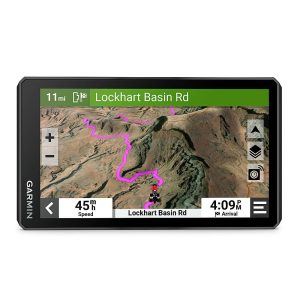
The Garmin Zumo XT2 represents the company’s latest iteration of their purpose-built motorcycle navigation platform. While smartphones have encroached on this space, the XT2 doubles down on motorcycle-specific features that matter when you’re miles from connectivity or dealing with challenging conditions.
| Specification | Details |
|---|---|
| Display Size | 6-inch ultrabright touchscreen |
| Resolution | 1024 x 600 pixels HD |
| Weatherproof Rating | IPX7 water-resistant |
| Connectivity | Bluetooth, Wi-Fi, ANT+ |
| Battery Life | Up to 1 hour unpowered |
| Satellite Support | GPS, GLONASS, Galileo |
| Special Features | Group Ride tracking, live weather, inReach compatibility |
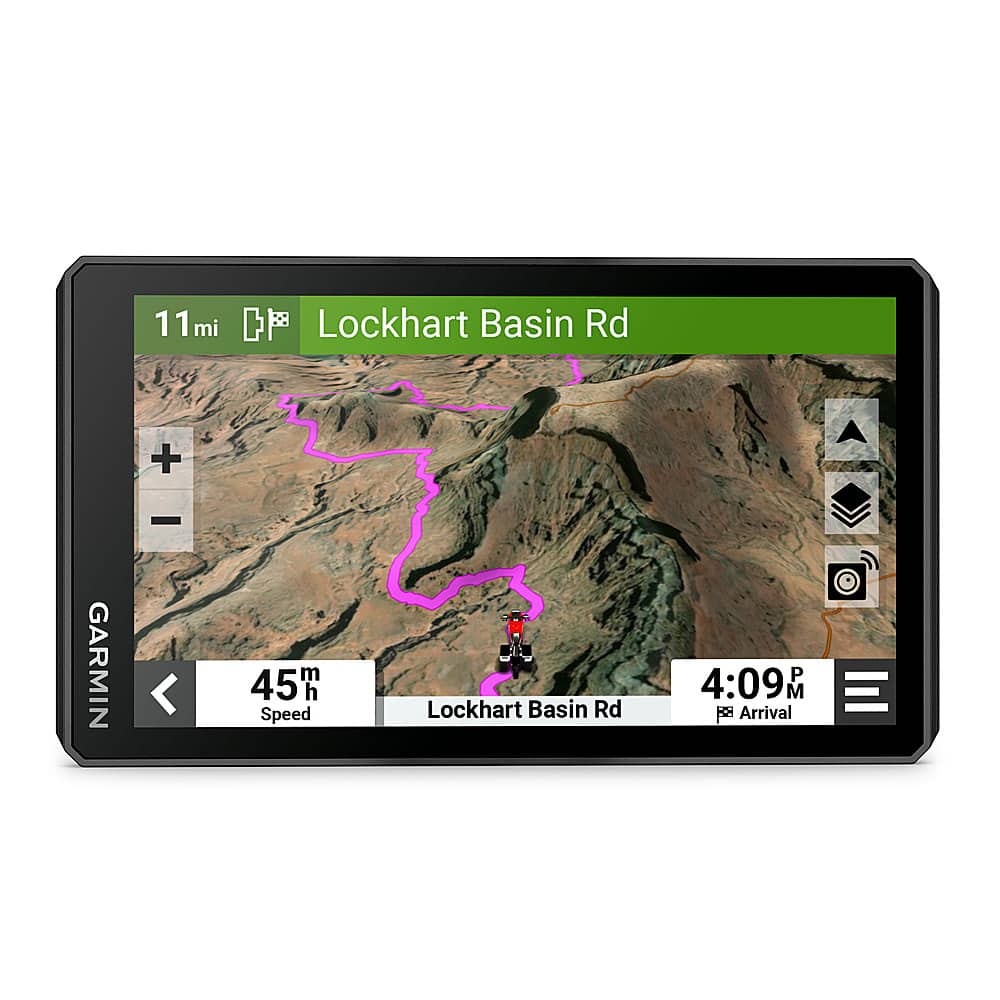
The standout improvement is undoubtedly the display. That extra 15% of screen real estate might sound minor on paper, but in practice, it means less squinting when you need quick navigation information at speed. The combination of high brightness and anti-glare coating makes it readable even in direct desert sunlight—a scenario where phones become useless.
Real-World Performance & Feature Analysis
Design & Build Quality
Garmin understands that motorcycle electronics live a hard life. The XT2 feels substantial in hand, with reinforced corners and a sealed interface that shrugs off rain storms that would drown a phone. The IPX7 rating means it can survive immersion in up to 1 meter of water for 30 minutes—far beyond what you’d encounter in normal riding.
The mounting system uses the same proven RAM-compatible ball socket, which is both a strength and weakness. It’s reliable for road use, but on heavily vibrated adventure bikes, I’ve experienced occasional connection issues that required reseating the unit. Serious off-road riders might want to consider additional vibration damping.
Performance in Real Use
Where the Garmin Zumo XT2 truly separates from smartphone solutions is in consistent performance when connectivity fails. On a recent ride through West Virginia’s remote areas, my phone lost service for hours while the XT2 continued providing turn-by-turn guidance and hazard alerts.
The routing intelligence has improved but still has quirks. It excelled at finding scenic motorcycle routes but occasionally suggested unnecessarily complex sequences of turns in urban areas. The traffic avoidance works well when you have smartphone pairing, but it’s not as intuitive as Google Maps for recalculating around unexpected closures.
Bluetooth connectivity to my Cardo headset remained stable up to about 30 feet from the bike when I walked away—handy for fuel stops when you want to keep the unit mounted but take your helmet with you.
Ease of Use
Garmin’s interface has come a long way from the button-heavy systems of old. The touchscreen responds well even with riding gloves, though winter gloves with thick insulation still require finger exposure for precise inputs.
The wireless update feature is a game-changer. Previous Garmin units required connecting to a computer for map updates—a process that could take hours. The XT2 downloads updates overnight when connected to Wi-Fi, meaning it’s always ready to ride.
Where the learning curve appears is in advanced features like Group Ride tracking. Setting up a group requires everyone to have compatible Garmin devices and understand the pairing process—great for organized tours but overkill for casual rides with friends.
Durability & Reliability
I subjected the XT2 to conditions that would make most electronics weep: desert heat, mountain cold, torrential rain, and hours of vibration on rough forest service roads. Through it all, the unit never failed to power on or lost GPS lock.
The screen shows minimal scratching after months of use without a protector, thanks to the chemically strengthened glass. The USB-C port cover remains tight despite repeated openings for occasional computer connections.
The only durability concern came from the power connector on the mount. After several thousand miles, it showed minor wear that made me question its long-term reliability. Regular commuters might want to inspect this connection periodically.
Pros & Cons
What works exceptionally well:
- Visibility in all conditions: The bright, anti-glare screen remains readable when phone screens wash out completely
- True all-weather operation: Rain, dust, and temperature extremes don’t faze this unit
- Excellent battery management: The device intelligently manages power when running on battery versus bike power
- Seamless wireless updates: No more tethering to computers for map updates
- Motorcycle-specific routing: Finds roads that are actually enjoyable to ride rather than just efficient
Where it falls short:
- Premium pricing: At nearly $500, it’s a significant investment over smartphone solutions
- Complex advanced features: Group tracking and some routing options have a steep learning curve
- Occasional routing oddities: Sometimes suggests convoluted routes in familiar areas
- Mount vibration concerns: May need additional damping on high-vibration adventure bikes
- Limited standalone battery life: The one-hour battery is really just for quick stops
Comparison & Alternatives
Cheaper Alternative: Garmin Zumo XT (Previous Generation)
The original XT remains available at roughly $100-150 less than the XT2. You sacrifice the larger screen, slightly slower processor, and lack wireless updates. For riders who primarily use their GPS for straightforward navigation and don’t mind connecting to a computer periodically, the original XT delivers 85% of the functionality at 70% of the price.
When to choose the XT: Budget-conscious buyers, riders who upgrade electronics infrequently, and those who don’t mind wired updates.
Premium Alternative: Smartphone with Premium Mount and App
Using a smartphone with a weatherproof mount and dedicated motorcycle navigation app like Calimoto or Scenic costs significantly less upfront. You get live traffic, excellent points of interest search, and familiar interfaces. However, you sacrifice weatherproofing, glove-friendly operation, and reliability in areas without cellular service.
When to choose smartphone navigation: Riders who primarily travel in areas with good cellular coverage, want the lowest upfront cost, and already own a capable smartphone.
Buying Guide / Who Should Buy
Best for beginners: New riders might actually benefit from the XT2’s focused interface. Unlike smartphones, it eliminates distractions from notifications and calls. The motorcycle-specific routing helps new riders discover roads appropriate for their skill level. However, the price might be hard to justify if you’re still building your riding kit.
Best for professionals and serious enthusiasts: For riders who regularly tackle long distances, lead groups, or venture into remote areas, the XT2 justifies its cost. The reliability when phones fail, excellent visibility in challenging light, and purpose-built features like group tracking deliver genuine value for these use cases.
Not recommended for: Casual urban commuters who rarely venture beyond cellular coverage, riders on tight budgets where $500 could buy better protective gear or training, and those who primarily want entertainment features like music and podcast control (though the XT2 does these adequately).
FAQ
Is the Garmin Zumo XT2 worth the premium over the original XT?
For most riders, the screen size difference alone doesn’t justify the price jump. However, if you frequently ride in bright conditions where visibility is challenging, or you absolutely hate connecting your GPS to a computer for updates, the XT2’s improvements are meaningful.
How does it compare to using a smartphone with a weatherproof case?
Smartphones excel at search, live traffic, and familiar interfaces. The XT2 wins on durability, all-weather usability, screen visibility in direct sun, and reliability when cellular service disappears. If you regularly ride out of service areas or in adverse weather, the XT2 is superior.
What’s the real-world battery life when not connected to bike power?
Garmin claims one hour, and that’s accurate in my testing. This isn’t designed to operate unpowered for long periods—it’s really just enough battery to remain operational during quick fuel stops or when moving the bike short distances.
Does it work with all Bluetooth headsets?
Compatibility is excellent with major brands like Cardo, Sena, and others. Audio quality for music and directions is clear, though the interface for managing multiple connected devices can be confusing initially.
Is the learning curve steep for non-tech-savvy riders?
Basic navigation is intuitive—much like smartphone mapping apps. The complexity comes from advanced features like group tracking, custom route creation, and device integrations. Most riders will use 20% of the features 80% of the time.